Why Blood Runs Through Spooky Season
Today I want to talk about blood. Blood is something we all need to live, we all have it, and without it, we die. It’s pure science. But humans have always treated it as something far deeper. In the Bible, as far back as Leviticus 17:11, it states that "the life of a creature is in the blood."
Christianity is deeply rooted in blood. Growing up Baptist, you learn early on that because man sinned, God required a blood sacrifice. For generations, people sacrificed animals until Jesus died; then, his blood became the ultimate source of life and redemption. We sang hymns about it constantly—"Power in the Blood" and "Nothing but the Blood of Jesus."
The communion, or the Eucharist, comes straight from Jesus breaking bread and passing out wine, saying the wine was his blood and the bread was his body. In Protestant circles, it’s treated as symbolic. In Catholicism, through transubstantiation, the bread and wine literally become the body and blood of Christ. When you step back and look at it outside the sanctuary, it’s all quite morbid.
For centuries before modern science, humanity believed blood carried an almost mystical life force. When someone fell sick, doctors drained their "bad blood" through bloodletting, convinced that illness was pooling in the veins. Back then, they didn’t understand pathogens, bacteria, or blood types. Looking back now, the medical logic seems wild, but the instinct was always the same: blood equals life.
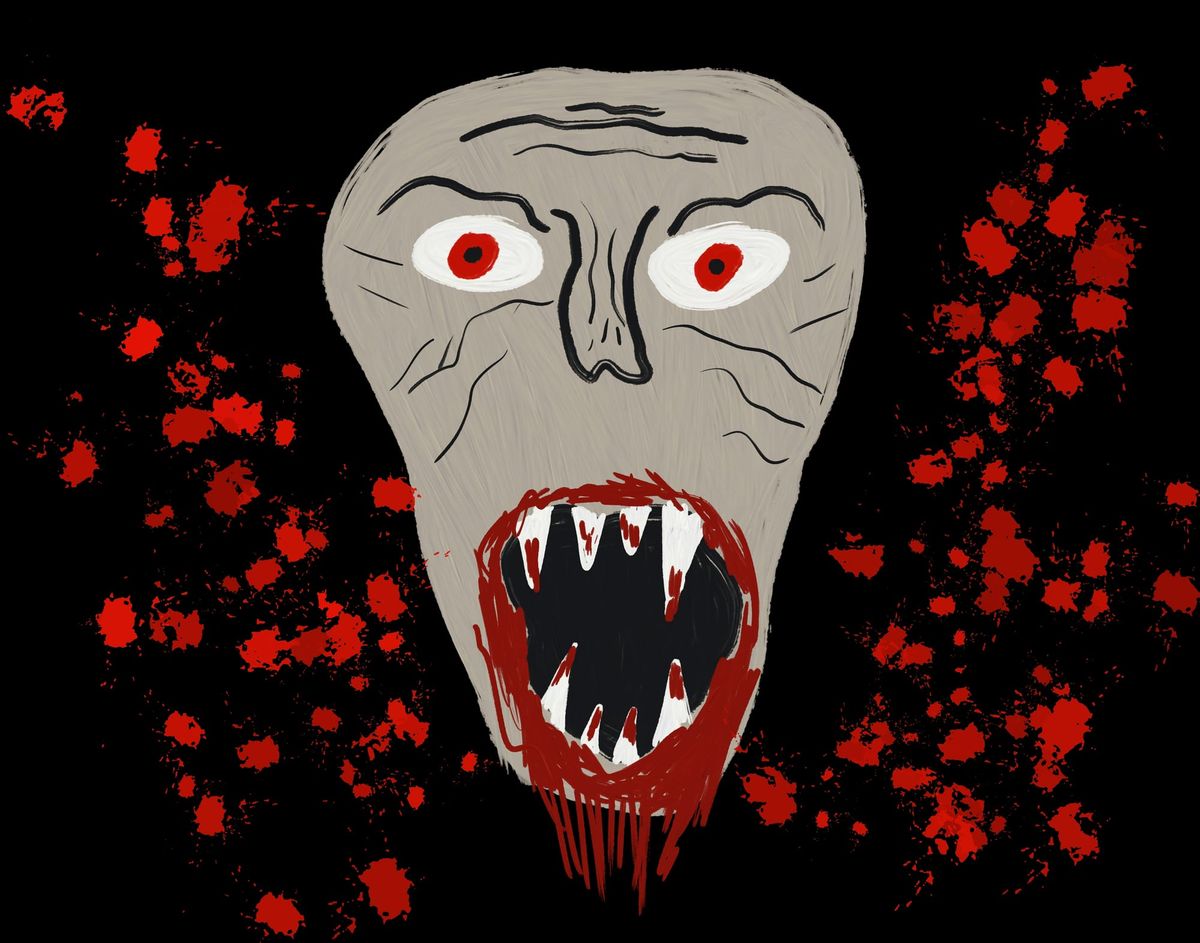
That brings us to vampires and the folklore that spawned them. These were original monsters of the common masses. Early folklore wasn't about charming, cape-wearing aristocrats lounging in castles. It was muddy, terrifying, and deeply agrarian. When tuberculosis or a mysterious plague wiped out a village, terrified people dug up shallow graves and found bloated corpses leaking dark purge fluid from their mouths. Without germ theory, they assumed these dead were rising in the dark to feed on their surviving neighbors.
Seen through a religious lens, it was a horrific perversion of the resurrection. Instead of an innocent Savior offering blood to grant eternal life to others, a corrupt, rotting corpse was clawing out of the dirt to steal blood from the living just to sustain its own decay. It was a parasitic mockery of the Eucharist.
Then you have Countess Elizabeth Báthory: power, vanity, and stolen youth.
While the infamous legend of her bathing in blood was largely an 18th-century embellishment, the terror behind the story endures because of what it represents. Peasant folklore feared the unquiet dead coming from the mud, but Báthory represented the living, untouchable aristocracy. Her myth twists the concept of blood from divine atonement into ruthless , vanityconsuming the vital life force of the young and vulnerable to stave off old age and decay. I’m currently reading Blood Countess, which digs into the actual historical accounts of her trial, breaking down the myths surrounding her while exposing the intense misogyny and political land-grabs she faced at the time.
All of this ties directly back into why autumn, Samhain, and the modern "spooky season" have such a grip on us.
Historically, late October wasn't about cozy sweater weather, pumpkin spice, or cheap candy. It was a deadline for survival. Herds were culled, crops died back, the ground froze, and families faced months of brutal cold, famine, and sickness. Winter wasn't cozy; it was deadly. A single severe blizzard or an outbreak of illness could wipe out an entire household before spring.
The veil between the living and the dead felt thin because death was practically in the room with them every night. Modern Halloween takes those ancient, gut-level human terrors—mortality, contagion, divine judgment, and the desperate instinct to survive—and wraps them in a safe, fun aesthetic we can control. We can't control the elements, disease, or the passage of time, but by turning our ancient dread into stories, costumes, and monsters, we manage to look the dark in the face and smile.
If you like this blog and want to read more straight to yoru inbox, without any censoship or algorithms, please subscribe to my free newsletter. If you're feeling extra generous there is a paid tier you can choose also!